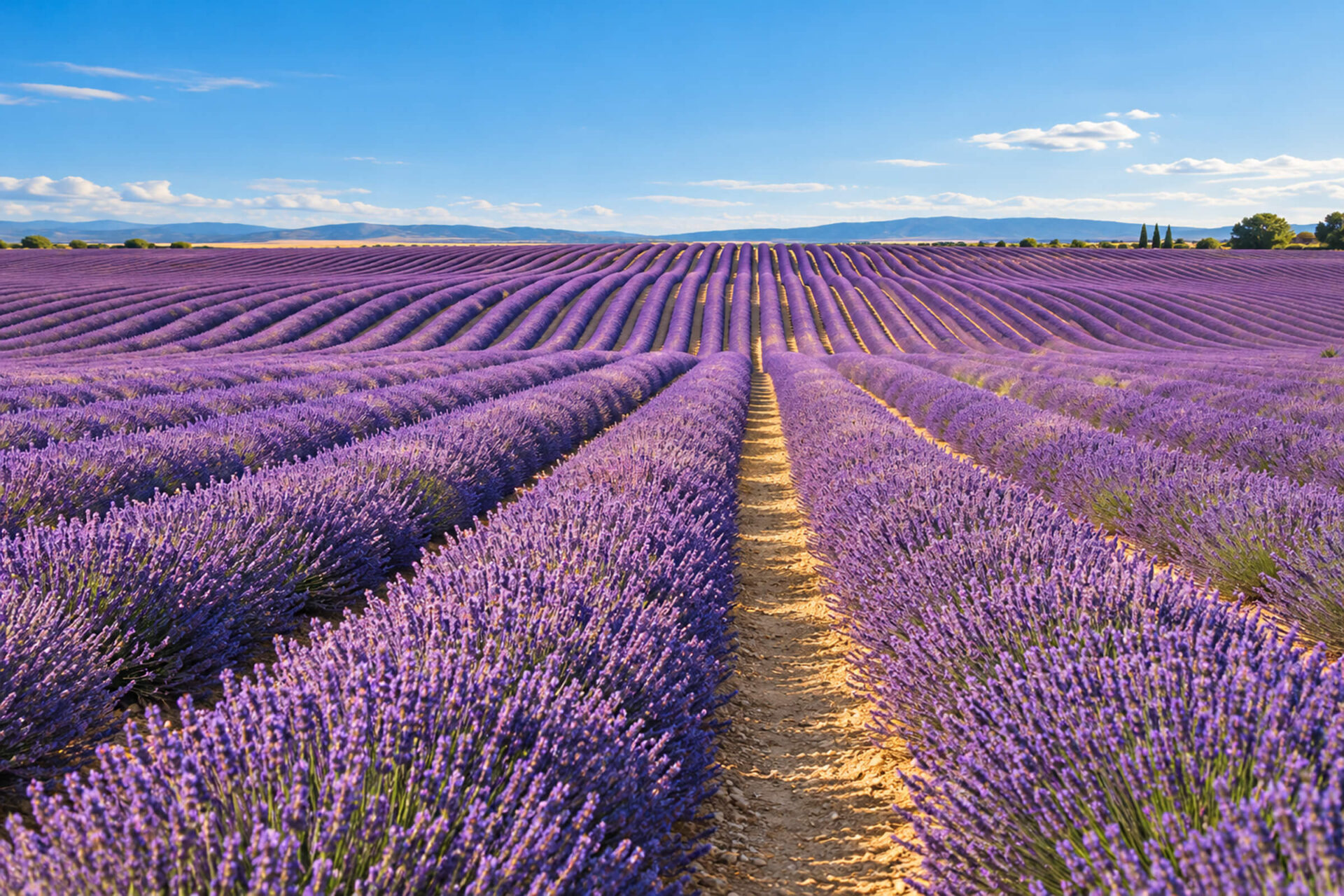
What to do in the PACA region in January?
January is cool but bright in Provence-Alpes-Côte d'Azur. Between the mimosa blooming on the coast, the snow of the Southern Alps and the truffle markets, the month offers plenty of reasons to get out.
 By La rédaction de Sortir en PACA6 min read
In brief
- Mimosa blooms along the Var coast and in the Tanneron hills
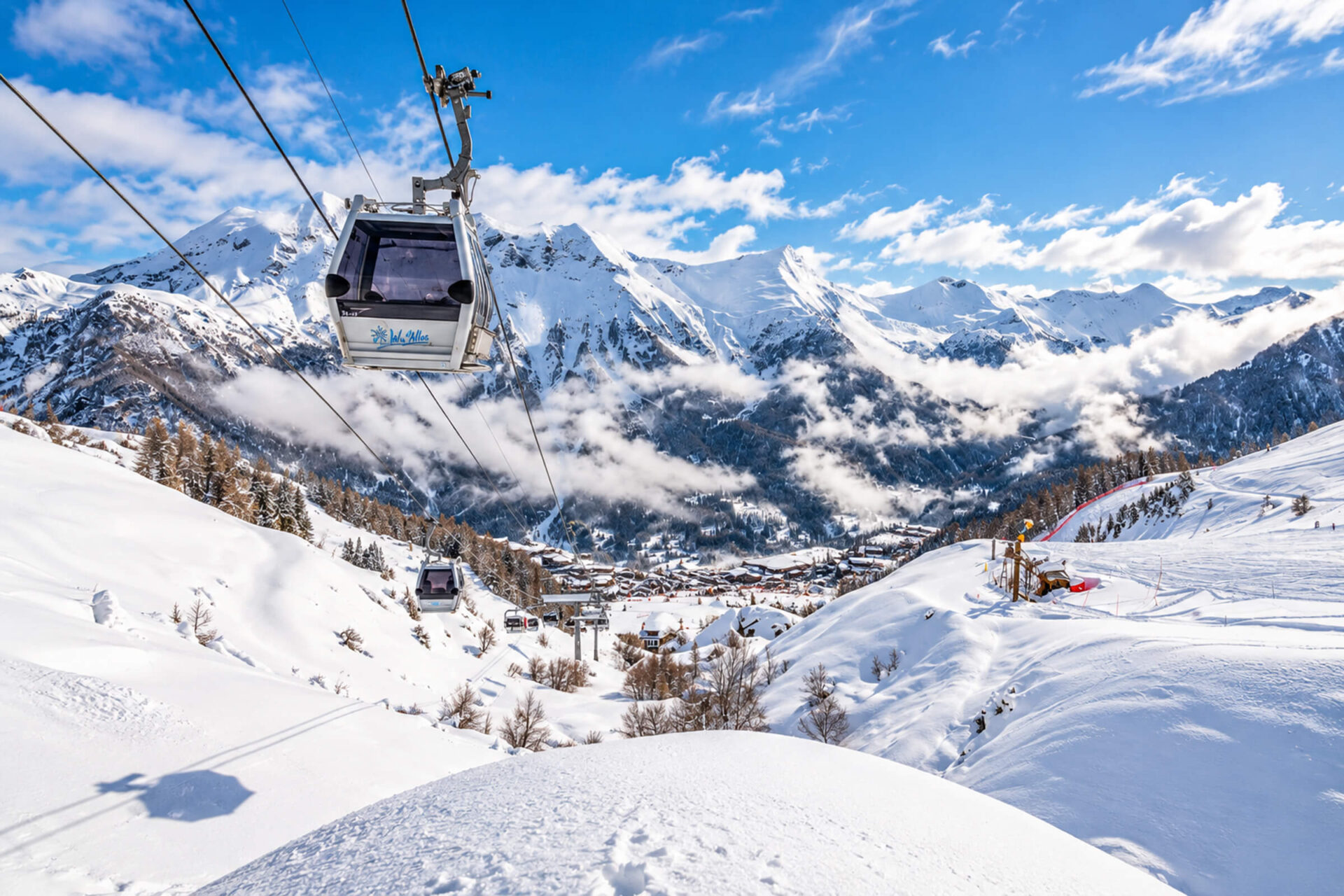
- The ski season is in full swing in the resorts of the Southern Alps
- The truffle markets of the Vaucluse are at their busiest
- The Provençal gâteau des rois (Kings’ cake) is shared all month long
- Winter patron-saint festivals: Saint-Marcel in Barjols and the winegrowers’ Saint-Vincent
- On the coast, days are cool but bright
The weather in January
January is the coolest month of the year in Provence-Alpes-Côte d’Azur, but rarely the greyest. According to the Météo-France 1991-2020 climate normals, Marseille (Marignane weather station) averages 11.8 °C in the afternoon and 3.6 °C in the early morning, with nearly 150 hours of sunshine over the month. Nice is slightly milder: 13.3 °C during the day and 5.8 °C at night on average.
In the mountains, the contrast is sharp. In Embrun, at 873 metres above sea level in the Hautes-Alpes, highs hover around 7.2 °C and lows drop to -2.4 °C on average. Higher up, the snow holds in the resorts. In Provence, the mistral can blow hard: this dry wind from the Rhône valley clears the sky but gives the cold a real bite. Pack a windbreaker, a woolly hat and sunglasses, even by the sea.
January festivals and traditions
The month opens with Epiphany. In Provence, people don’t just eat the frangipane galette: the traditional gâteau des rois is a ring-shaped brioche, scented with orange blossom and topped with candied fruit. It hides a fève (a small charm) and, often, a little santon. Bakeries sell it throughout the month.
Nativity scenes don’t vanish once the holidays are over. Provençal tradition says they stay up until Candlemas (the Chandeleur), on 2 February. It’s a good chance to take a close look at the santons, the clay figurines of the crib, Three Kings included, since they arrive in the nativity scene in early January. Some nativity trails, such as the one in Lucéram in the hills behind Nice, stay open until the very first days of January.
In the Var, Barjols celebrates the Saint-Marcel on the weekend closest to 17 January. This very old festival is known for the dance of the Tripettes, performed in the church and through the streets. A “grand” edition, with an ox roasted on the square, comes round roughly every four years; in other years, the festival goes ahead without the ox.
On 22 January comes the Saint-Vincent, patron saint of winegrowers. Several villages celebrate it the following weekend, with mass, a procession and tastings. In Saint-Maximin-la-Sainte-Baume, the festival usually takes place on the last Sunday of January.
Events of the month
In Bormes-les-Mimosas, Mimosalia brings together nurseries specialising in rare and Mediterranean plants every year on the last weekend of January. Talks and workshops round out the stalls. It’s also the time when the village turns yellow.
On the Côte Bleue, Sausset-les-Pins opens the season of the oursinades (sea urchin feasts): according to the regional tourism board, they are held at the harbour on the last three Sundays of January. Sea urchins and shellfish are eaten facing the sea, before Carry-le-Rouet takes over in February.
In the Vaucluse, Richerenches holds its truffle mass on a Sunday in mid-January, around the feast of Saint Anthony. During the service, truffle growers place truffles in the collection, which are then auctioned. The village is also known for its Saturday morning truffle market, held throughout the winter season.
Where to go in January
Along the Route du Mimosa. This 130-kilometre route links Bormes-les-Mimosas to Grasse from January to March. It passes through Le Rayol-Canadel, Sainte-Maxime, Saint-Raphaël, Mandelieu-la-Napoule, Tanneron and Pégomas. The Côte d’Azur tourism board presents the Tanneron hills as the largest mimosa area in France, both wild and cultivated. You can visit a forcerie there, where the branches are forced into bloom before being shipped.
In the resorts of the Southern Alps. The region has more than sixty resorts, around 2,500 kilometres of alpine slopes and 1,200 kilometres of cross-country ski trails, according to the regional tourism board. In the Alpes-Maritimes, Auron, Isola 2000 and Valberg are among the major ski areas named by the regional tourism board. In the Hautes-Alpes and the Alpes-de-Haute-Provence, you’ll find big ski areas such as the Forêt Blanche (Vars and Risoul), Orcières Merlette, Montgenèvre, Pra Loup and Le Sauze. Outside the school holidays, the slopes are quieter.
On the Côte d’Azur. Nice and Menton are still pleasant to explore on foot in January. Terraces in the midday sun, low light over the sea and the lack of crowds are the whole charm of the season.
In town, for heritage. In Avignon, the Palais des Papes (Palace of the Popes) can be visited without queuing. In Marseille, alternate strolls around the harbour with time in warm museums.
Ideas for days out
Nature and snow. Snowshoeing is the simplest way to discover the snowy mountains, with no lift pass needed. Here are a few snowshoe hiking routes in the Hautes-Alpes. In the Mercantour National Park, the snow-covered valleys also lend themselves to outings led by a mountain guide.
When the weather is bad. In Marseille, the Mucem and the replica of the Cosquer cave can easily fill a rainy day, with family or friends.
When the sun is out. A walk in the sunshine along the Promenade des Anglais, a loop through the hills of Bormes among the mimosas, or a picnic in a cove sheltered from the mistral: January often brings beautiful days.
What to eat in January
This is the heart of the black truffle season. The Carpentras market is held on Friday mornings, from mid-November to the end of March, according to the regional tourism board; the Richerenches market on Saturday mornings. Even if you don’t buy, the atmosphere of the trading is worth the trip. A truffle omelette or brouillade (softly scrambled eggs) is a must for lunch.
For the rest of the month, Provençal cooking puts slow-simmered dishes centre stage, along with sea urchins from the Côte Bleue during the oursinades and, of course, the gâteau des rois.
Good to know
- Public holiday: 1 January. The Christmas school holidays for zone B (the Aix-Marseille and Nice education authorities) end in the first days of the month.
- Winter equipment: from 1 November to 31 March, the prefects of the mountain departments designate municipalities where winter tyres or chains (or snow socks) are compulsory. Signs at the entrance to the zone tell you so.
- Mountain roads: some passes close in winter. Check road conditions before setting off and keep a full tank of fuel.
- Festival dates: they change from one year to the next. Confirm them with the tourist office before you travel.
- Short days: when hiking, set off early and bring a head torch.
The whole region month by month
Sources : Météo-France (normales 1991-2020, via Infoclimat) - Comité régional du tourisme Provence-Alpes-Côte d'Azur - Côte d'Azur France (comité régional du tourisme Côte d'Azur) - Office de tourisme de Marseille - Office de tourisme de la Provence Verte (Barjols, Saint-Maximin-la-Sainte-Baume) - Préfectures des départements de montagne (équipements d'hiver, loi Montagne)
Frequently asked questions
Where can I see mimosa in January in the PACA region?
Along the Route du Mimosa, which links Bormes-les-Mimosas to Grasse over 130 km, and above all in the Tanneron hills, presented as the largest mimosa area in France.
What is the weather like in Marseille and Nice in January?
According to the Météo-France 1991-2020 normals, Marseille averages 11.8 °C in the afternoon and Nice 13.3 °C, with nights around 4 to 6 °C.
Where can I buy truffles in January?
At the truffle markets of the Vaucluse: Carpentras on Friday mornings, from mid-November to the end of March, and Richerenches on Saturday mornings.
Are winter tyres compulsory in January?
Yes, in the mountain municipalities designated by the prefects, from 1 November to 31 March: winter tyres, or chains or snow socks in the boot.