

The Trinity is an essential doctrine of Christianity that expresses the complexity of the divine nature. Indeed, it affirms the existence of a unique God manifesting in three distinct persons: the Father, the Son, and the Holy Spirit. This fundamental concept highlights not only the equality and indivisibility of these three entities but also the mysterious reality of a God of love in relation to humanity. Throughout the ages, the Trinity has been a subject of theological and spiritual reflection, inviting believers to deepen their understanding of divinity.
Introduction to the Trinity
The Trinity is a fundamental concept of Christianity that describes the nature of God as unique while simultaneously being composed of three distinct persons: the Father, the Son, and the Holy Spirit. This divine mystery represents unity and diversity at the same time, offering a rich and complex understanding of Christian spirituality. This article addresses various dimensions of the Trinity, its importance in the Christian faith, as well as its implications in the lives of believers.
Concept of the Trinity
The Trinity is a doctrine that asserts that there is only one God, but in three manifestations: the Father, the Son, and the Holy Spirit. These three entities are equal and indivisible, coexisting in a perfect unity of love. Each person of the Trinity plays a unique role, yet all share the same divine essence. This understanding implies that God reveals Himself to humans in different ways while being fundamentally one.
The Three Persons of the Trinity

The Father
The Father is seen as the creator of the universe, the origin of all things. He embodies divine authority and protective love. Believers often pray to the Father, seeking guidance and spiritual support.
The Son
The Son, in the person of Jesus Christ, is regarded as the redeemer of humanity. According to Christian teachings, He came to Earth to save humanity through His sacrifice on the cross. The relationship between the Son and the Father is fundamental to Christianity, illustrating the closeness and intimacy of their divine relationship.
The Holy Spirit
The Holy Spirit is viewed as the comforter and the agent of transformation in the hearts of believers. He provides strength, wisdom, and direction, playing a vital role in daily Christian life by inspiring and guiding the faithful on their spiritual journey.
The Blessing of the Trinity in Daily Life
The presence of the Trinity offers spiritual depth to Christian rituals and practices. Many sacraments, such as baptism and confirmation, invoke the three divine persons, thereby reinforcing the understanding of divine interconnectedness in the believing life. This also echoes in daily prayers and liturgical celebrations, where the Trinity is often mentioned.
The Trinity in Christian Culture
The Trinity has also left a significant mark on Christian art, music, and literature. Religious works, whether paintings, hymns, or poems, bear witness to the beauty and complexity of the trinitarian mystery. Throughout the ages, artists have found inspiration in this doctrine, highlighting the relationship between the three divine persons.
The Trinity and Christian Celebrations
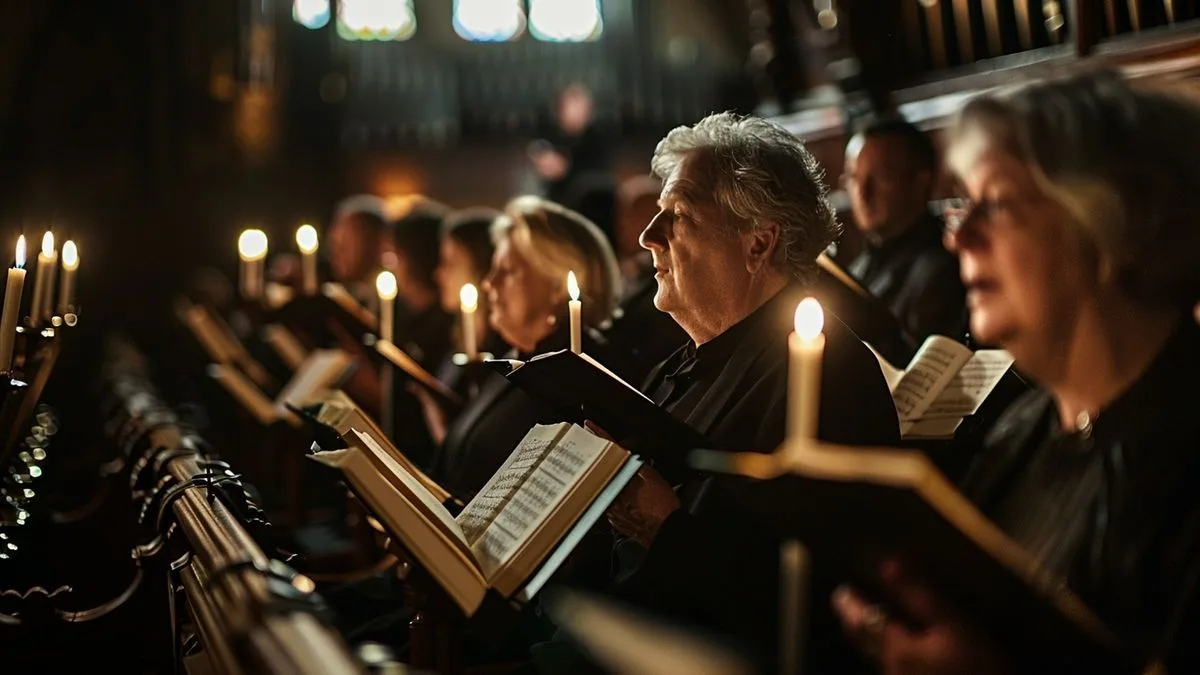
Faithful celebrate the Trinity during several religious feasts, such as the feast of the Holy Trinity, which is celebrated on the first Sunday after Pentecost. This celebration reminds Christians of the importance of the divine Triad and the unconditional love God has for humanity, symbolizing a time of reflection, prayer, and communion with God.
Trinity: An Indispensable Spiritual Dimension
In summary, the Trinity represents a fundamental aspect of the Christian faith that testifies to the complex and loving nature of God. Each of the persons of the Trinity plays a unique role while being intrinsically linked. Believers use this concept to understand their personal relationship with God and to navigate their spiritual lives. At the heart of the Trinity lies a powerful message of love and communion that inspires the faithful to pursue a rewarding and meaningful life of faith.