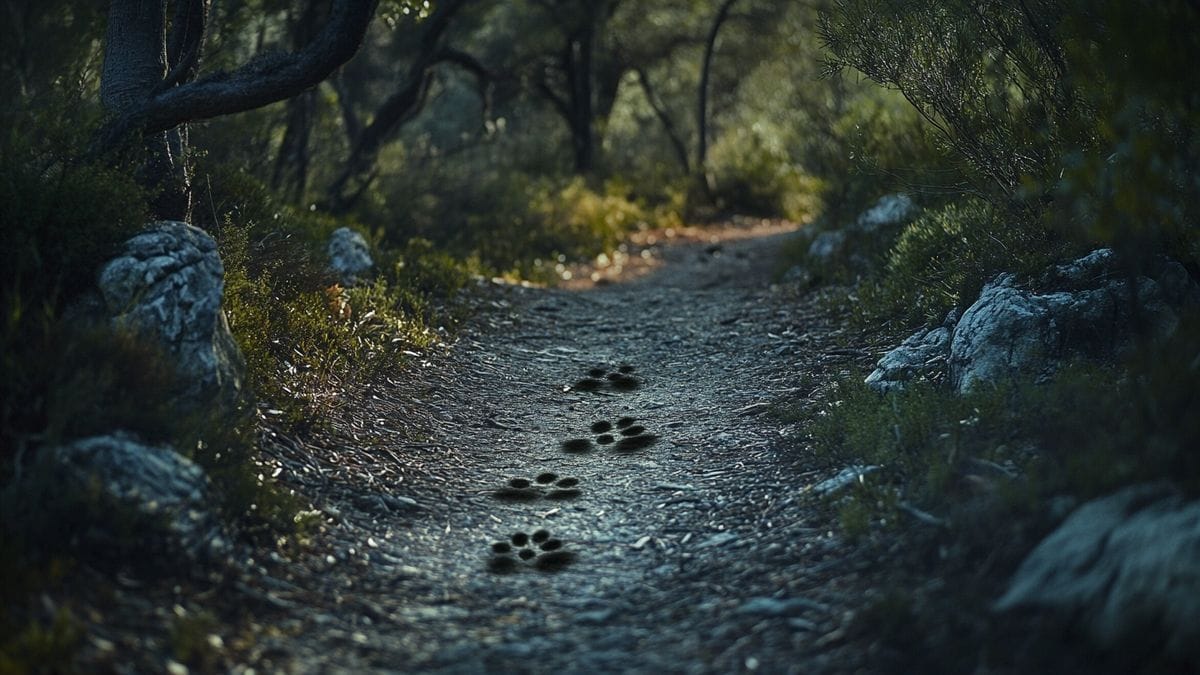

The genet, a mysterious and elegant carnivore, is increasingly attracting the attention of wildlife lovers. Its spotted coat and slender silhouette are fascinating, but these characteristics are just a glimpse of its essential role in the ecosystem. Once domesticated to control rodent populations, it has now become rare and protected in Vaucluse, a region in France where its natural habitat is threatened. Understanding the genet also means becoming aware of the conservation challenges necessary to ensure its survival and that of other species.
This small carnivore, reminiscent of a cat in its size and grace, is often unknown. It is primarily a nocturnal animal, difficult to observe, yet its interactions within its habitat are crucial for maintaining ecological balance. We invite you to explore its history, lifestyle, and ways to contribute to its preservation. Discover how this animal has evolved over time, its role in the fight against rodents, and why each sighting matters.
The fascinating world of the genet
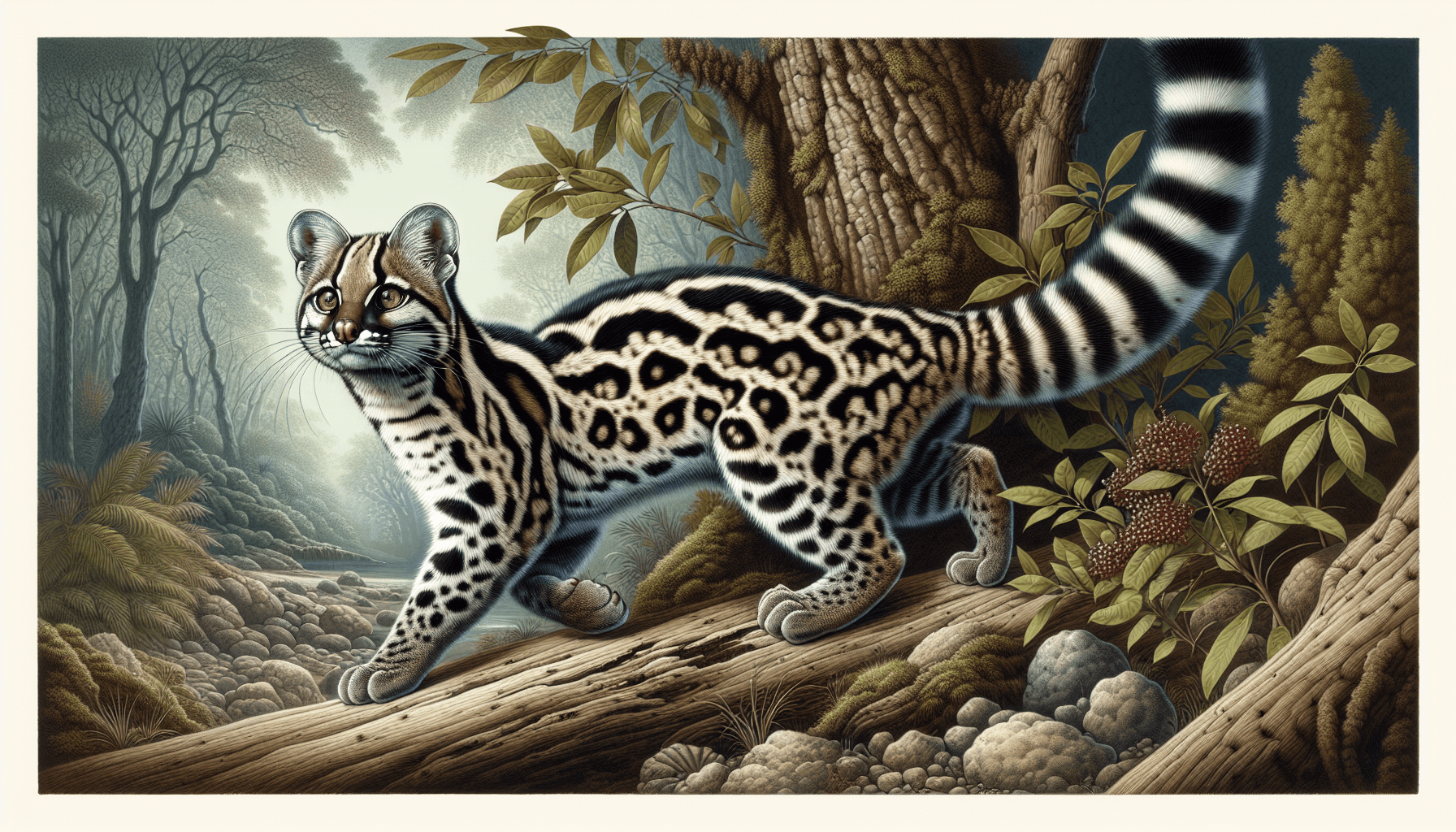
The common genet, or Genetta genetta, is a species of mammal belonging to the Viverridae family. This small carnivore, characterized by its spotted yellow coat, is an agile animal that slips easily between branches and brambles. Native to North Africa, it was introduced to Europe over 2000 years ago, where it has adapted to various habitats, including forests and agricultural areas.
In Vaucluse, the genet prefers to take refuge in wooded and rocky areas. Its musky odor, although unpleasant according to some legends, has not prevented this animal from earning its place in our ecosystem. Indeed, this small carnivore plays a crucial role in regulating rodent populations, thereby limiting the proliferation of certain harmful species.
The genet also exhibits fascinating behavior. Mostly nocturnal, it has developed unique hunting strategies that allow it to enter bird nests or hunt the numerous rodents that inhabit its territory. Its varied diet, which includes fruits, insects, birds, and rodents, enables it to adapt to the available resources in its environment.

A discreet and hard-to-observe animal
The genet, due to its timid and nocturnal temperament, is an agent of mystery in the forest landscape of Vaucluse. Its rarity and diet have made it particularly difficult to study in the field. Wildlife enthusiasts and researchers use various techniques, such as setting up camera traps, to learn more about its habits and life cycle. These devices allow for capturing images of these elusive animals as they move through their natural habitat without scaring them away.
Another method used to study the genet involves tracking its footprints and droppings, or
Impact of human activities
Human activities, such as intensive agriculture and urbanization, are among the greatest dangers facing the genet. The destruction of its natural habitat leads to the fragmentation of populations and limits its ability to reproduce. This situation exacerbates the risk of inbreeding among the few remaining individuals, threatening the genetic health of the species.
It is imperative that we take concrete measures to preserve this unique animal. Raising public awareness of the need to protect wildlife, as well as enforcing laws to limit habitat destruction, are key steps towards the conservation of the genet in Vaucluse. Local initiatives can also promote sustainable agricultural practices to coexist with local wildlife.
How to contribute to the preservation of the genet
Every citizen can play a role in protecting the genet and its habitat. Reporting wildlife sightings to databases like Van Backer can be very helpful. This information can provide valuable data for species trajectory studies and potential activity locations. Even a simple glance by capturing a photo of a wild individual can help integrate this species into conservation programs.
Similarly, when crossing a road where a wild animal may be struck, be vigilant and attentive. If you notice an injured or deceased genet, it is important to document its location and report the event to the relevant authorities.
Importance of awareness
Raising public awareness about the difference between the genet and other related species, such as the wildcat, is essential. Although this animal may mingle on paved roads, it remains delicate and vulnerable. Organizing educational events and wildlife observation outings would allow for appreciating the beauty of this animal rich in local culture.
Collaborating with local NGOs and national parks can also provide interesting perspectives on the preservation of the genet. These organizations often set up educational programs, research projects, and conservation initiatives to promote coexistence between humans and wildlife.
Conclusion on the genet and its future
As threats accumulate for the genet, it is imperative that each of us plays an active role in its preservation. Whether by raising awareness among those around you, participating in conservation programs, or reporting your sightings, every action counts. Protecting this emblematic animal of Vaucluse is not only a duty but also an opportunity to engage for biodiversity and the future of our territories.