

The transition to fiber optics is gaining significant momentum, particularly in Vaucluse. On January 31, 11 municipalities in the north of this department are making the leap to a more efficient technology, thus ending the use of ADSL. This advancement towards very high speed internet marks a significant step in the evolution of the region’s digital infrastructure. Operators, notably Orange, are taking measures to ensure that subscribers are well informed about this necessary transition. The municipalities involved are Grillon, Valréas, Richerenches, Visan, Buisson, Saint-Romain-de-Malegarde, Villedieu, Roaix, Rasteau, Vaison, and Séguret. Residents must now adapt to this change, which is expected to offer better connectivity and higher speeds.
Details on the transition from ADSL to fiber optics

History of ADSL in the region
The copper network of ADSL has been the cornerstone of internet connectivity in many rural and suburban areas, including Vaucluse. However, this technology, which dates back several decades, has quickly shown its limits compared to current speed and reliability requirements. The speeds offered by ADSL were often insufficient to meet the growing needs of individuals and businesses. With the increase in data consumption, it became evident that a transition to a more modern infrastructure was essential.
The rise of fiber optics
Fiber optics emerges as the ideal solution to replace the copper network. It allows for much higher speeds, potentially reaching several gigabits per second. In Vaucluse, nearly 82% of households are now eligible for fiber. This rate reflects the considerable efforts made by operators to modernize infrastructure. Fiber is more resistant to fluctuations in service quality caused by environmental factors, thus providing a more stable and faster connection.
The implications of the ADSL cut-off
Consequences for the residents
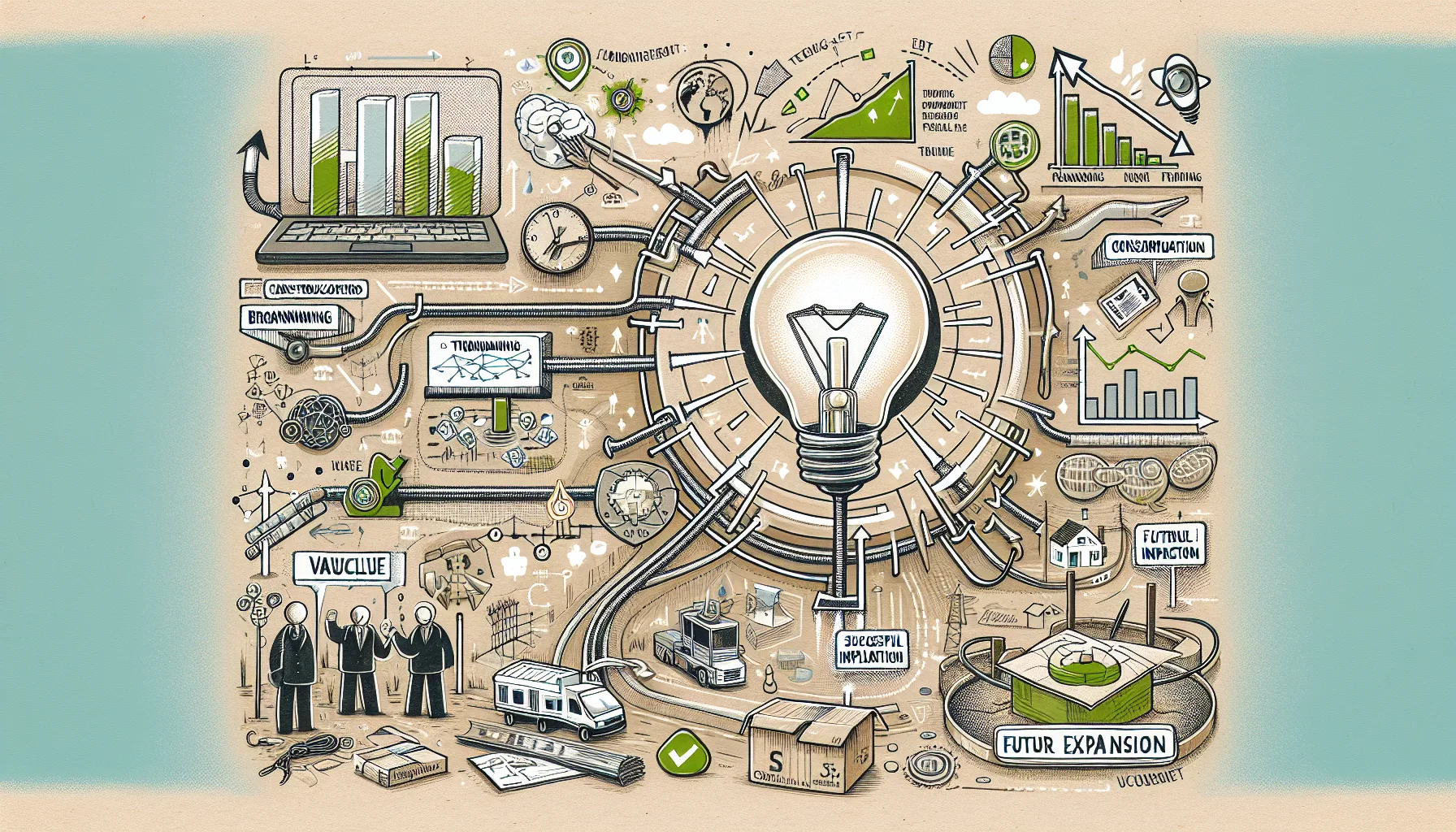
The closure of the ADSL network represents much more than just a technological change. For many residents of the affected municipalities, it marks the end of an era. Indeed, this situation has repercussions on internet access for households that have not yet migrated to fiber. Subscribers who do not adapt in time will find themselves cut off from their main means of communication and access to information. This change therefore requires significant awareness and communication efforts from local authorities and operators.
Support measures for the transition
In light of this transition, initiatives have been put in place to assist residents in switching to fiber optics. Information campaigns have been launched to explain the benefits of the new technology and the procedures to follow to make the change. Local stakeholders, including mayors, are actively involved in raising public awareness by organizing informational meetings and providing personalized advice on available options.
The future deployment schedule

The upcoming steps
The transition process is not limited to 2025. Other disconnections are scheduled for the following years. In 2026 and 2027, four and sixteen other municipalities respectively will undergo the same fate. Municipalities like Mornas, Mondragon, and Lapalud will be affected. This schedule, which extends until 2030, reflects France’s ambition to modernize its entire communication network, particularly in rural areas.
The economic stakes of the transition
The shift to fiber optics is not limited solely to technical considerations; it also has economic implications. Businesses in the region will benefit from significantly improved connection speeds, enabling them to innovate and grow. Better connectivity enhances the attractiveness of the area, encouraging new companies to establish themselves in Vaucluse, creating jobs and boosting the local economy.
User feedback

A revolution in internet access
For the users in these municipalities, the switch to fiber optics is seen as a significant improvement. Testimonials are generally positive, highlighting increased download speeds and a more stable connection. This undoubtedly impacts the daily lives of families and professionals, making telecommuting and online activities much more enjoyable. However, some remain concerned about subscription costs and potential adaptation periods required.
Comparison with other technologies
Beyond ADSL, the technological landscape is diversifying with the rise of several other connectivity solutions. Users compare the advantages of fiber to alternatives like 4G, 5G, and even satellite, which are often less reliable. The fiber network is deemed superior due to its capacity to support intensive uses without inconvenience. This debate over the best type of connection underscores the growing importance of quality internet access in our daily lives.
Conclusion and future perspectives
The importance of fiber for the future
The disconnection of ADSL is a step towards a more advanced and efficient digital future. By implementing fiber optics, municipalities can ensure a prosperous future where fast connectivity is a reality for all. The transition to a modern infrastructure goes beyond simple internet access. It enables new opportunities for both individuals and businesses, creating a virtuous cycle of innovation and economic attractiveness.
Preparing for new challenges
The road to modernization is not without challenges. Communities and residents must collaborate to ensure that this transition occurs smoothly and beneficially. Awareness of the issues related to digital technology and preparation for new technologies must be at the forefront of concerns. By collectively moving towards fiber optics, these municipalities in Vaucluse are demonstrating their determination not to lag behind in the digital world.