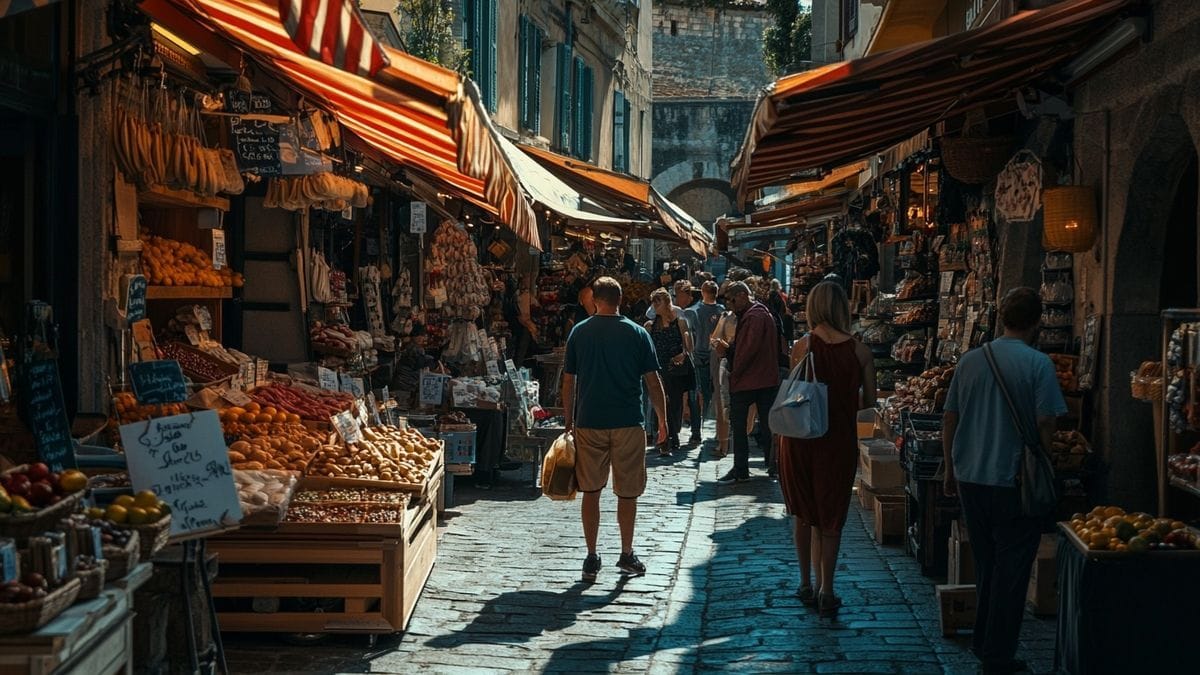

The situation is becoming tense in the Alpes-Maritimes with the ban on the use of restaurant tickets for certain food purchases. Indeed, this decision will take effect from January 1, 2025, marking a turning point in the management of these devices designed to facilitate meals for employees. The changes at the heart of this measure raise questions and varied reactions among the population, as households’ purchasing power continues to decline.
A changing legislative framework
The restaurant tickets, originally designed to reduce the cost of meals, are seeing their use restricted due to a changing legislative framework. Censorship has prevented Parliament from adopting the law that would have allowed the extension of their use for various food items in supermarkets. Thus, only products that are directly consumable, such as sandwiches or prepared dishes, will now be eligible for purchase with these titles.
The implications for consumers
This easing of conditions for meal vouchers represents a significant upheaval for consumers. Families that had grown accustomed to using these tickets for varied purchases such as meats, pasta, and other basic products will now need to rethink their consumption strategy. For many, this could lead to an increase in food expenses.
The reactions of economic stakeholders
Economic stakeholders in the region and political leaders are responding to this restriction, indicating that this measure only exacerbates the economic challenges already facing households. Several voices in the social sphere claim that limiting the use of meal vouchers is a hard blow to employees and a counterproductive way to manage a food crisis that affects many households.
What alternatives?
In this bleak context, consumers are questioning the available alternatives to compensate for this loss of access. Some are considering turning to solutions such as food cooperatives or local associations that continue to promote access to a variety of food products at affordable prices. Others are looking to local markets or food bank systems to ensure proper supply while adhering to their budget.
Towards a collective awareness
The restrictions related to the use of restaurant tickets could trigger a greater collective awareness around food issues. Citizens are increasingly aware of the need to defend their purchasing power, as well as the social impacts of these governmental decisions. Mobilization could help amplify their voices and influence future political decisions regarding food and consumption.
In summary, the ban on restaurant tickets for food purchases in the Alpes-Maritimes is not merely an administrative measure, but a reflection of the depths of the current economic crisis. Consumers must face a new reality that not only threatens their budget but also their ability to eat healthily and balanced. This situation vividly illustrates the daily challenges faced by workers in light of governmental decisions. These measures, perceived as a hindrance to freer consumption, could have long-term consequences on the well-being of citizens, thus pushing towards a necessity to reinvent food supply circuits while redefining priorities in social policies.